
Passwords are yet the key entry point to your online life. And even in 2026, most account manipulation occurs as themanipulators are “over clever”—they do this because individuals apply fragile passwords(Watchword), preserve them in insecure locations, or fall into cyber fraud.
The good news? You don’t need to be a digital-safety specialist to keep yourself safe if careful.
This guide helps you to apply the best practices for password management in simple, concrete techniques—so you can preserve your social accounts, email, banking apps, and work sign-in with trust.
Why Password Management Matters More Than Ever
Of course, you believe “None will challenge me.” But manipulators never think like that.
Most attacks are mechanized. When a website gets unauthorized access and passwords are disclosed, strangers use software to try those unchanged login details on any other platforms, like:
- Gmail
- Amazon
- Banking apps
- Crypto wallets
This is called credential stuffing, and it’s one of the most frequent ways accounts get taken over.
If you recycle passwords/watchwords (even “just a little”), you’re in danger.
The Biggest Password Mistakes People Still Make
Prior to getting into the best practices, there are common errors that put users in a backward position:
✅ Using the same password everywhere
✅ Short passwords like 123456 or password123
✅ Saving passwords in Notes, screenshots, or plain text
✅ Ignoring “new login detected” alerts
✅ Clicking suspicious links and entering passwords
✅ Not using 2FA (two-factor authentication)
If you’re adopting any one of these, don’t get nervous. You can change it right now
10 Best Practices for Password Management (Easy + Powerful)
1) Use a Password Manager (The #1 Best Move)
A password manager preserves your passwords cautiously in a concealed depositary. You only require recalling the accurate password.
Why it’s worth it:
- Generates strong passwords automatically
- Saves unique passwords for each site
- Autofills logins securely
- Reduces forgotten-password stress
Popular options include:
- Bitwarden
- 1Password
- Dashlane
- NordPass
✅ If you wish for the simple and most secure system, a password manager is the reliable base
2) Create an extended Password (Length Beats Complexity)
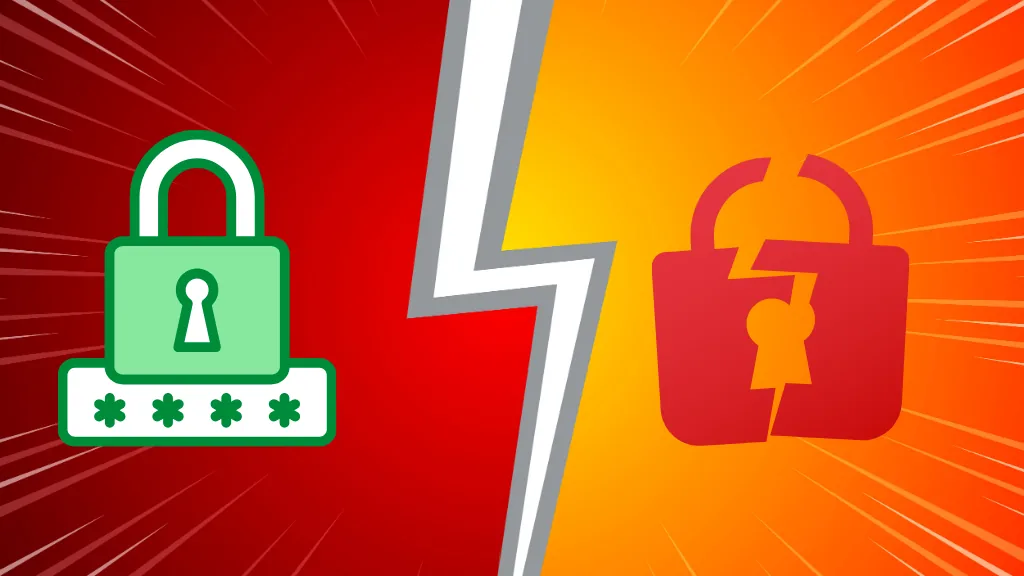
People commonly imagine “powerful passwords” should look like this:
T#7!pL@9zQ
That’s powerful, yes—but difficult to recall.
A superior alternative for maximum user is a passcode:
✅ Extended, easy, recoverable
Good Samples:
- Mango-train-ocean-lamp
- TeaRainCarsRunFast2026
- I-love-coffee-at-7pm!
- Let’s sing a-popular Song
Ideal Practice: Choose 12–16+ Symbol/Letters/digits at least.
3) Never Repeat Passwords (This Protects Maximum Whacks)
Password repetition is the main cause accounts get insecure.
How it occurs as follows:
- A website obtain whacked (may be a minor one)
- Your email + password disclosed
- Cybercriminals crack that password on Gmail, Facebook, and more crucial sites
Indeed if the password is “powerful,” yet try to avoid its repetition, which may cause of vulnerability.
✅ Fix: One password per account
this might suit when you utilize a password manager.
4) Put on 2FA (Two-Factor Authentication) in each case
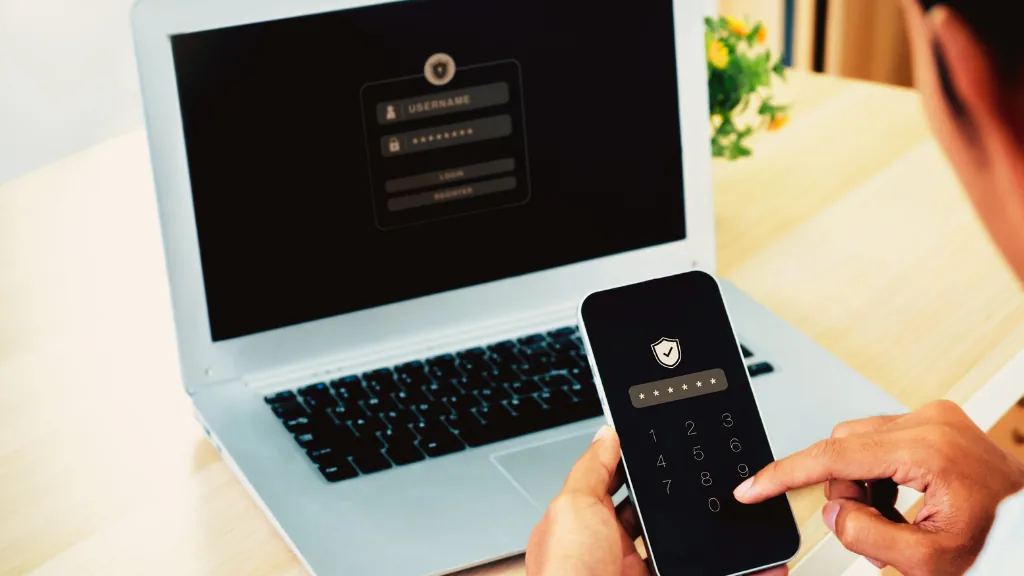
2FA adds a second layer of protection.
Therefore, if anyone snatches your password, they are not yet able to sign in except for your next drive.
Model 2FA Choice (graded):
✅ Certified apps (suggested)
- Google Certifier
- Microsoft Certifier
- Authy
✅ Safety keys (model for ideal users)
- YubiKey
⚠️ SMS codes (good enough, but fairly safe)
⚠️ SIM-swap attacks can bypass SMS.
When you seek single rapid progress now:
Enable 2FA on your email first.
5) Preserve Your Email Account Like It’s Your Bank
Your email is the root for password reconfigure.
If somebody whacks your email, they can rewrite passwords for:
- Facebook
- Instagram
- Amazon
- Netflix
- PayPal
- About everything
Email protection directory:
✅ Distinctive powerful password
✅ 2FA empowered
✅ Retrieval email and phone modernized
✅ Sign in alarms switched on
This single step itself protects huge mishaps.
6) Be aware of Internet Fraud (The Most Common Cheat)
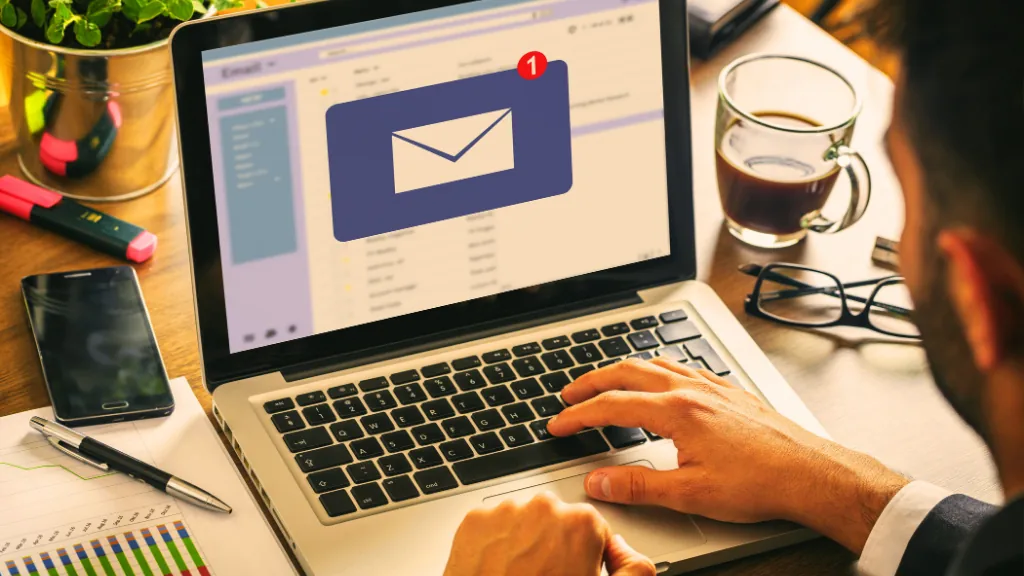
Internet Fraud is when culprits make copy of a real website (like Facebook or Gmail) and cheat you into logging in.
Common signal of Internet fraud:
- “Your account will be cutout in a short time!”
- “Uncommon login of invader—check at once!”
An unusual link like: faceb00k-login-security.com
✅ Risk-free practice:
- Type websites by hand/without automation (example: facebook.com)
- Use page marks
- Don’t click aimless login links from emails or messages
Even the most powerful password shall not save you if you enter into a bogus site.
7) Never Store Passwords in Notes or Screenshots
Many people preserve passwords as follows:
❌ phone Notes app
❌ screenshot gallery
❌ “passwords.txt” file
❌ messages to a friend
❌ emails to anybody
This is unsafe because anyone who uses your phone or laptop/devices access can see them.
✅ Desirable location:
- A password (watchword) manager
- Or a safe unintelligible strong room
8) Alter Passwords giving a reasonable gap (Not Monthly)
Most of the users consider they should alter passwords nonstop. In fact, regular aimless alteration can create users select fragile passwords.
You must alter your password if:
✅ a site announce a split
✅ you see a login change you can’t identify
✅ your password was copied by someone else
✅ your account doesn’t works smoothly
Thumb rule:
Alter passwords when exposed—not limited to time.
9) Make a Powerful Dignified Password (And Don’t Recycle It)
Your password manager’s main password is the key to your entire domain—so it must be precise.
A fabulous elegant password is:
- Insert signs, letters or digits=16+
- Simple for you to recall
- Difficult to imagine
- Not ever utilized anyplace
Sample type:
✅ GreenMangoRunsFastAtNight2026!
In addition:
✅ Empower 2FA on your password manager also.
10) Preserve Backup Codes (So You Never Lock Yourself Out)
When you empower 2FA, several supports deliver substitute codes.
Users skip them. before they make undue access to their devices.
✅ Store alternative codes:
- Inner part of your password manager
- Or printed and preserved safely
This eases you to retrieve accounts but no anxiety.
The Possible Remedy If Your Password Is disclosed (Urgent Tasks)
If you assume your password is unprotected, do this at once:
- Alter the password on that account
- Revise passwords on any other account inserting the similar password
- Exit of all devices (many apps allow this)
- Empower 2FA
- Examine the latest sign in and safety settings
- Inspect your email for password readjust trials
When your email is threatened, revise it immediately.
Ideal Password Management Put-up (Easy System That Acts)
If require a “secure and simple” frame-up, make this:
✅ Utilize a password manager
✅ Create dignified passwords for all accounts
✅ Switch on 2FA for email + social + banking
✅ Preserve backup codes
✅ Never reutilize passwords furthermore
This process secures you far better than maximum users web based—and it requires less than an hour to install.
Rapid Password Management Guide
- Utilize a password manager
- Apply 12–16+ identity passwords
- Avail an uncommon password for each account
- Put on 2FA (mainly email)
- Ignore clicking doubtful login links
- Not ever save passwords in Notes/screenshots
- Alter passwords when disclosed
- Store backup codes safely
FAQs: Ideal Habits for Password Management
Q: Are password managers secure?
A: Yes, dependable password managers are usually much secured than recycling passwords or keeping them below in Notes. They preserve data encoded and defend you from human normal errors.
Q: How frequent should I alter my password?
A: If required—after a reasonable interval, a doubtful login, or if you recycle the password. Routine every month alteration aren’t requiring for maximum users.
Q: What’s the powerful password structure?
A: A lengthy access code (16+ characters) with a mix of words, digits, and signs is highly powerful and easy to recall than characters inserted by chance.
Q: Is SMS 2FA enough?
A: SMS is better than nothing, but verifier apps and safety codes are powerful alternatives.
Q: Ultimate Thinking: Protection Doesn’t Required to Be Complex.
A: Ideal password management isn’t about being absolute—it’s close by creating easy way that build you difficult to whack.
If you do only 3 items from this lesson, do these first:
- Utilize a password manager
- Cease recycling passwords
- Put on 2FA for your email
Those are adequate to enrich your protection with immediate effect.